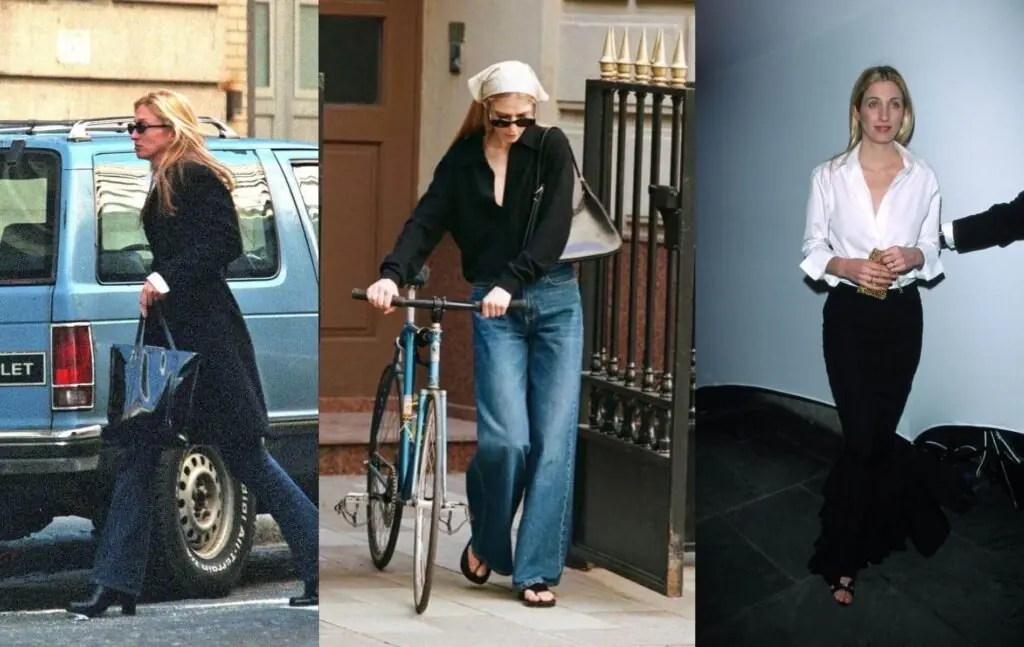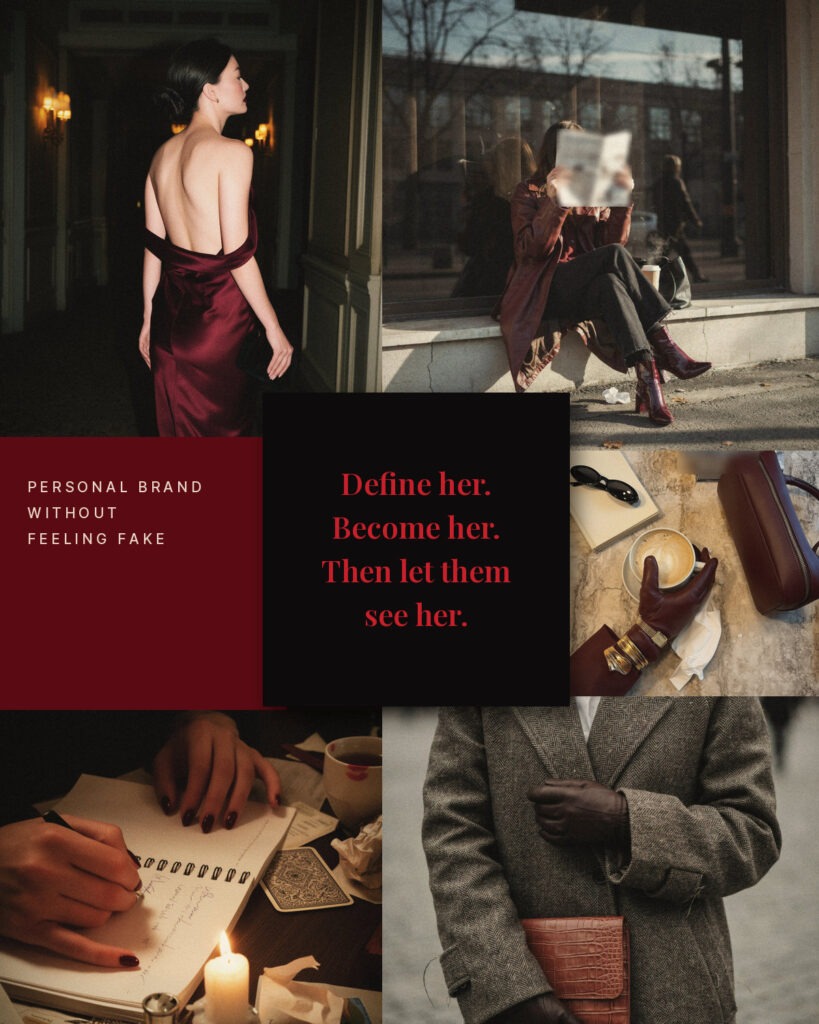
Why does building a personal brand online feel so awkward, like you are dressing up as a version of yourself that does not quite exist yet?
It is autumn 2026 and everyone seems to be “becoming her” online. Your feed is full of women whose photos match, whose captions sound exactly like them and whose whole vibe is recognizable in half a second. Then you open your own profile and find brunch photos, a sunset from two summers ago and a story highlight you forgot existed.
If you want to build a personal brand online and you feel like:
- you do not know what your “thing” is yet
- every post feels like a performance
- your feed looks like five different people run it
- you copy aesthetics you love, and they never look like you
then the problem is not that you lack content. It is that you have not decided who she is yet.
And the good news is that this part can be learned, step by step, without pretending to be someone else. I know, because for a long time I had no idea what my vibe was either.
Quick answer: how do you build a personal brand online without feeling fake?
You build a personal brand that feels real by defining who you are first and only then deciding what to show. The fake feeling comes from the gap between your real life and your feed, so the goal is to close that gap.
- Choose three to five words that describe the woman you are becoming.
- Pick two to four topics you genuinely love, and drop the ones you only post because they trend.
- Build a small visual language: one signature color, a consistent light and mood.
- Live it offline too, and repeat it until people start saying “that’s so you.”
What is a personal brand, really?
A personal brand is the impression people form about you from everything they can see, hear and find, whether you designed it or not. Every photo you post, every comment you leave and every bio you write already tells people something about you.
Personal brand: the recognizable mix of values, topics, style and voice that people associate with you. Self branding is the act of shaping it on purpose.
It matters more than it used to. In a 2018 survey by CareerBuilder and The Harris Poll, 70 percent of employers said they use social media to research job candidates. And psychologists Janine Willis and Alexander Todorov at Princeton found in 2006 that people form first impressions of a face in about a tenth of a second. Your profile is often that first glance.
So the question is never whether you have a personal brand. The question is whether you choose it or let it happen by accident.
Why does building a personal brand feel fake?
A personal brand feels fake when there is a gap between who you are and what you show. Most of us were taught that branding is for companies: logos, slogans, marketing teams. So when someone says you should build your own personal brand, it sounds like you are supposed to turn yourself into a product.
If you post hiking content but secretly hate hiking, people can feel it. Honestly, you can feel it too. Self branding only works when it grows out of your real interests, your real taste and your real voice.
Do you even need a personal brand?
Some people argue that personal branding is exhausting and performative, and that the healthiest choice is to stay offline or keep everything private. That is a valid choice. You do not owe the internet a curated version of yourself.
But if you want to be discovered, hired, booked or simply remembered, a clear personal brand makes everything easier. It is less about performing and more about being recognizable. Done right, it feels like being seen rather than being watched.
Performed brand or real brand?
Switch between the two and notice which one sounds like your feed right now.
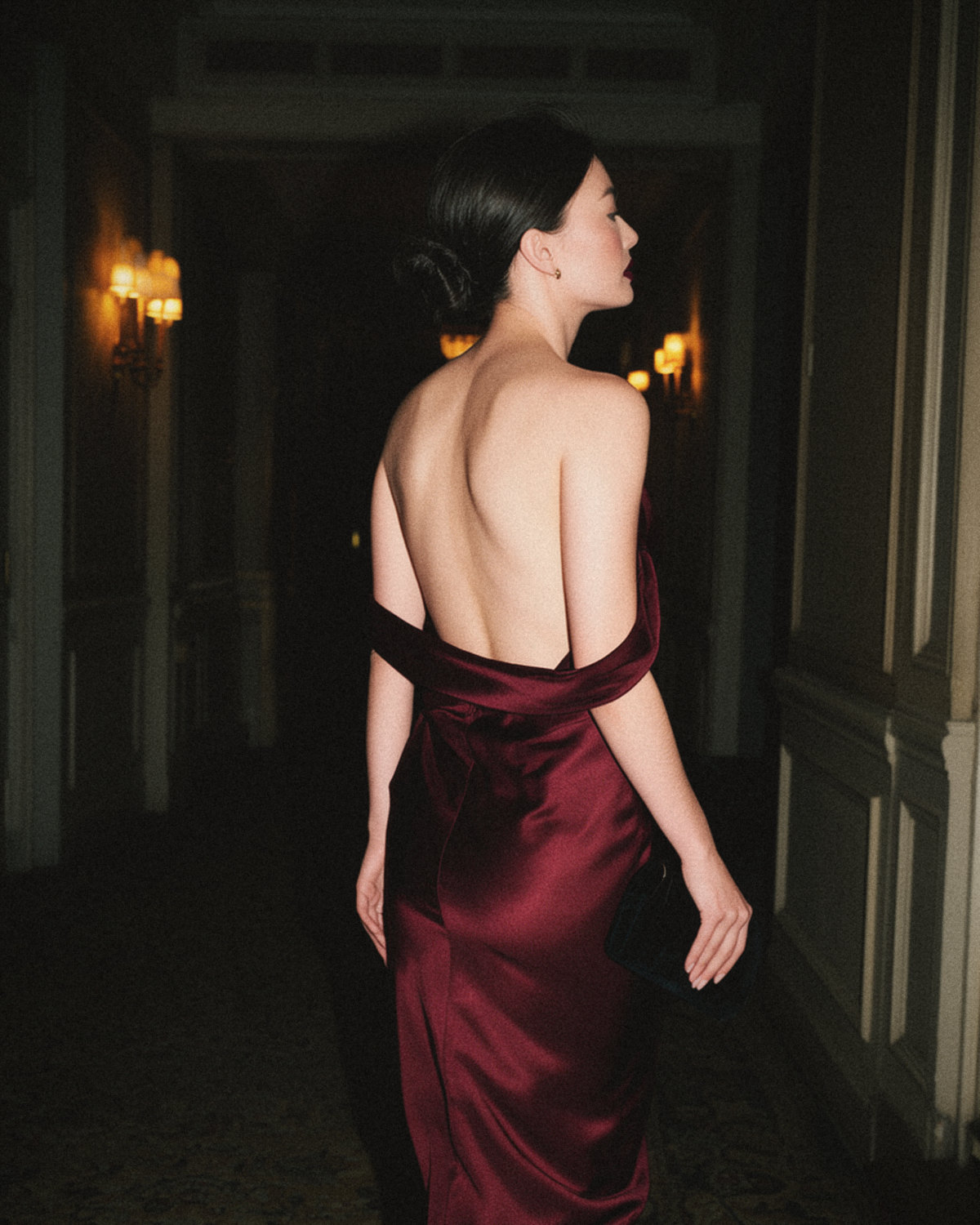
I became the woman I pictured three years ago.
Dark hair, a dark feminine mood, burgundy everywhere. It started as a picture in my head.
How did I find my own vibe?
I found my vibe by getting to know myself first and dressing the part second. For a really long time, I could not find my own style. Who am I? What is my vibe? What do I want to look and sound like? I had no clear answer, and my clothes, my photos and even the way I talked online showed that confusion.
Things started to shift when I got into self-discovery. I explored astrology and a lot of other tools that helped me understand myself a little better. Slowly, a picture formed in my head: how I wanted to look, what I wanted my vibe to be, how I wanted my voice to sound.
Then I started applying it to my everyday life. I wore the kinds of clothes that woman would wear. I made choices that felt aligned with the person I wanted to become. None of it happened overnight, and most of it was small.
Not that long ago, I had a funny moment. I realized I am basically the exact person I wanted to be three years ago. I have always loved a slightly darker vibe, and one day I looked at my wardrobe and thought, wait a second, I actually dress like this now. This is just who I am.
Building a personal brand online works the same way. You define her first, then you live her until it stops feeling like a costume.
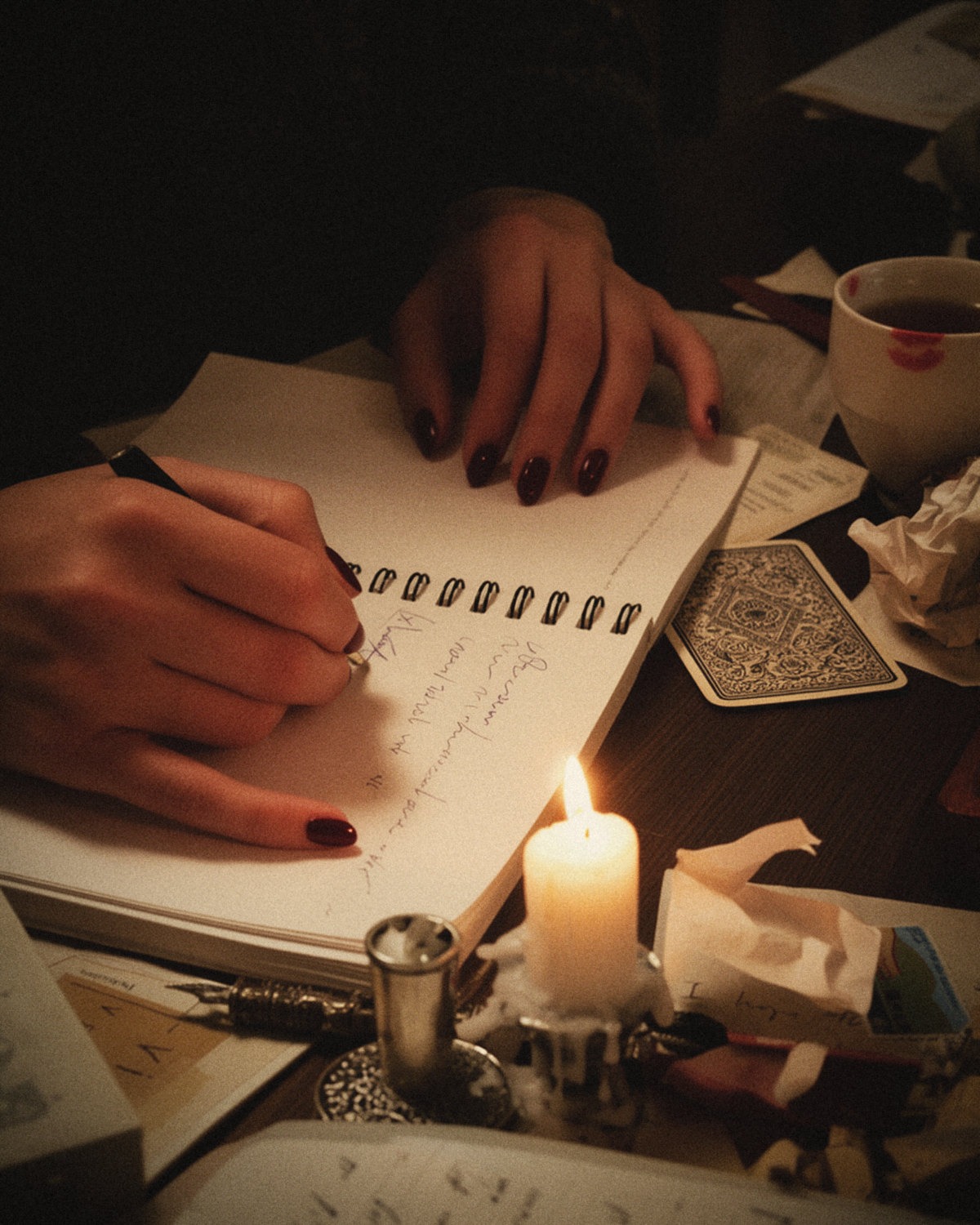
Before fonts and filters comes one question.
What do you want people to feel when they find you?
How do you define your unique personal brand identity?
You define your personal brand identity by answering five honest questions before you change a single post. They are simple, but your answers shape everything that comes after.
- 1Who are you, really? Three to five words that feel true, not words that sound impressive. Mine include dark, feminine, curious and a little mysterious.
- 2What do you want to communicate? One core idea you would be happy to repeat for years, like “confidence can be soft.”
- 3Why does your voice matter? What you see differently, and what you have lived through that someone else needs to hear.
- 4How do you want to deliver it? Talking to the camera, written captions, carousels or a quiet, curated grid.
- 5How will you stay authentic? If a topic or aesthetic does not genuinely excite you, leave it.
Pick your three brand words
Choose exactly three words that describe the woman you are becoming. Go with your gut.
0 of 3 chosen
Your brand identity worksheet
Answer the five questions in a few words each. Come back and edit them whenever you change.
Your answers are saved only in this browser.

What could you talk about for an hour without getting bored?
That is where your content pillars are hiding.
How do you find your personal brand topics?
Your personal brand topics are the subjects you already return to again and again without being asked. Ask yourself what genuinely interests you, what you feel connected to and what you could talk about for an hour without checking the time.
Look at your saved posts, your bookmarked articles and the conversations where you lose track of time. Patterns will appear. Maybe it is fashion and self-development. Maybe it is skincare, books and slow mornings. Two to four core topics are enough for a personal brand that feels full but focused.
And if you do not want to become an influencer or talk to people online every day, that is completely fine. A personal brand can be quiet: a beautiful feed, a consistent profile and a clear sense of who you are, without daily stories or viral ambitions.
Keep it or drop it?
Eight things women put into their personal brand. Decide what stays.
Card 1 of 8
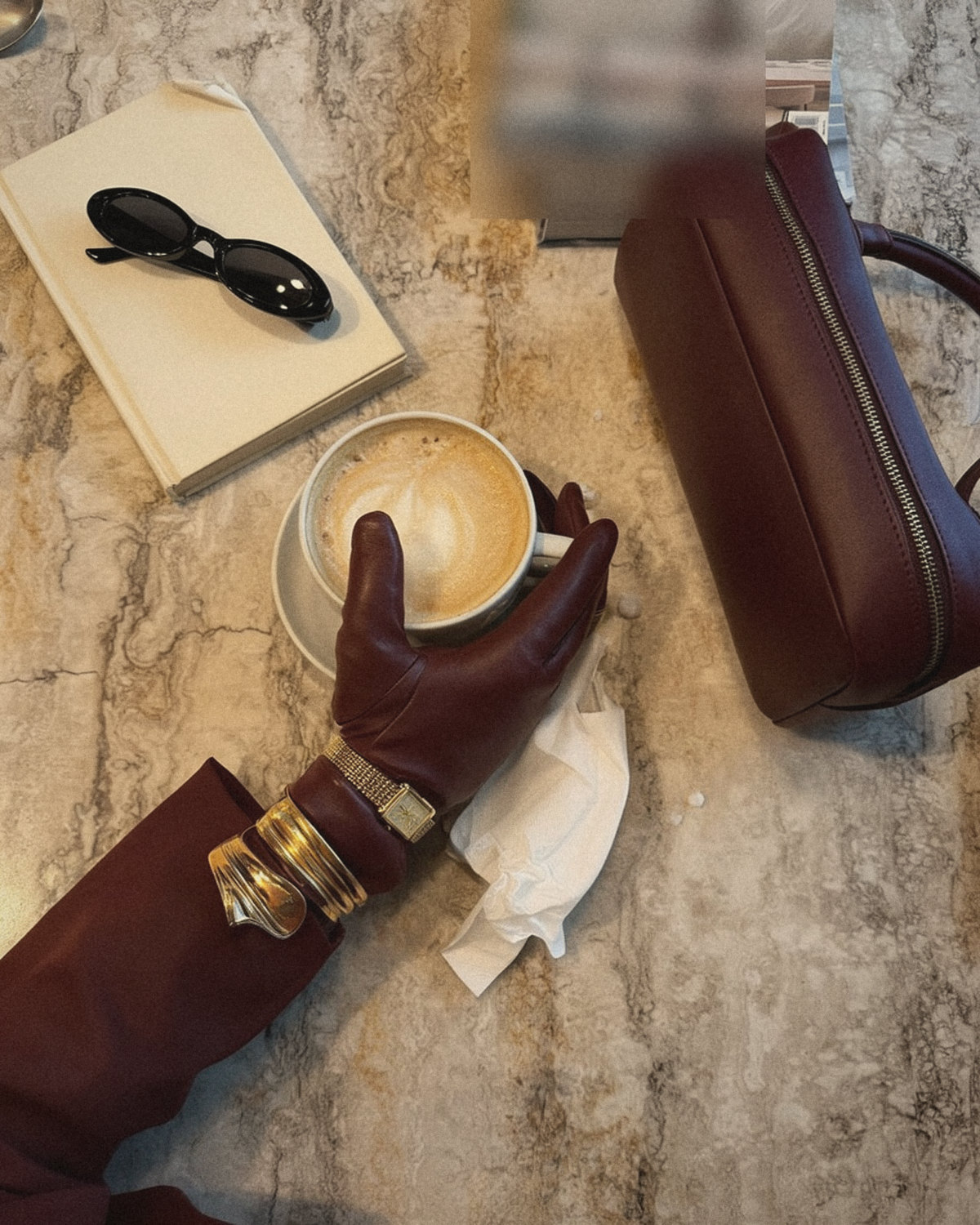
Your brand lives in the small details.
The mug, the gloves, the color you reach for on a random Tuesday.
What is lifestyle branding?
Lifestyle branding is when your everyday life becomes the visible proof of your personal brand. It lives in the small details: the mug you drink your coffee from, the books on your nightstand, the colors you wear on an ordinary morning.
Start with your visual language. Which colors do you want people to connect with you? What kind of light do you love in photos? Is your mood bright and airy, or moody and dark? Choose a small palette and a consistent photo style, then repeat them until they become yours.
Repetition is the whole mechanism here. Psychologist Robert Zajonc described the mere-exposure effect in 1968: people tend to like things more the more often they see them. A color, a mood or a phrase you return to again and again starts to feel familiar, and familiar starts to feel like you.
The goal is simple. When someone sees something, you want them to immediately think of you. If the dark side of feminine style speaks to you, my guide on embracing dark feminine energy in everyday life is a good next step.

“Burgundy is so you.”
The day other people said it, I knew my personal brand had left my head.
What does a signature color do for your personal brand?
A signature color gives people a shortcut to remember you, even when you are not in the picture. One of my favorite personal branding wins happened not that long ago. Several people, completely separately, told me that burgundy is literally my color. They see burgundy and they think of me.
That told me more about my personal brand than any analytics dashboard could. Personal branding is about finding something people associate with you, something they see and say, “Yeah, that’s so you.” When that starts happening, your brand has moved from your head into other people’s minds.
You do not need burgundy, of course. You need one color you genuinely love wearing and seeing, used often enough that it becomes a signature. For outfit ideas that build on a dark palette, see how to dress dark feminine and look effortlessly mysterious.
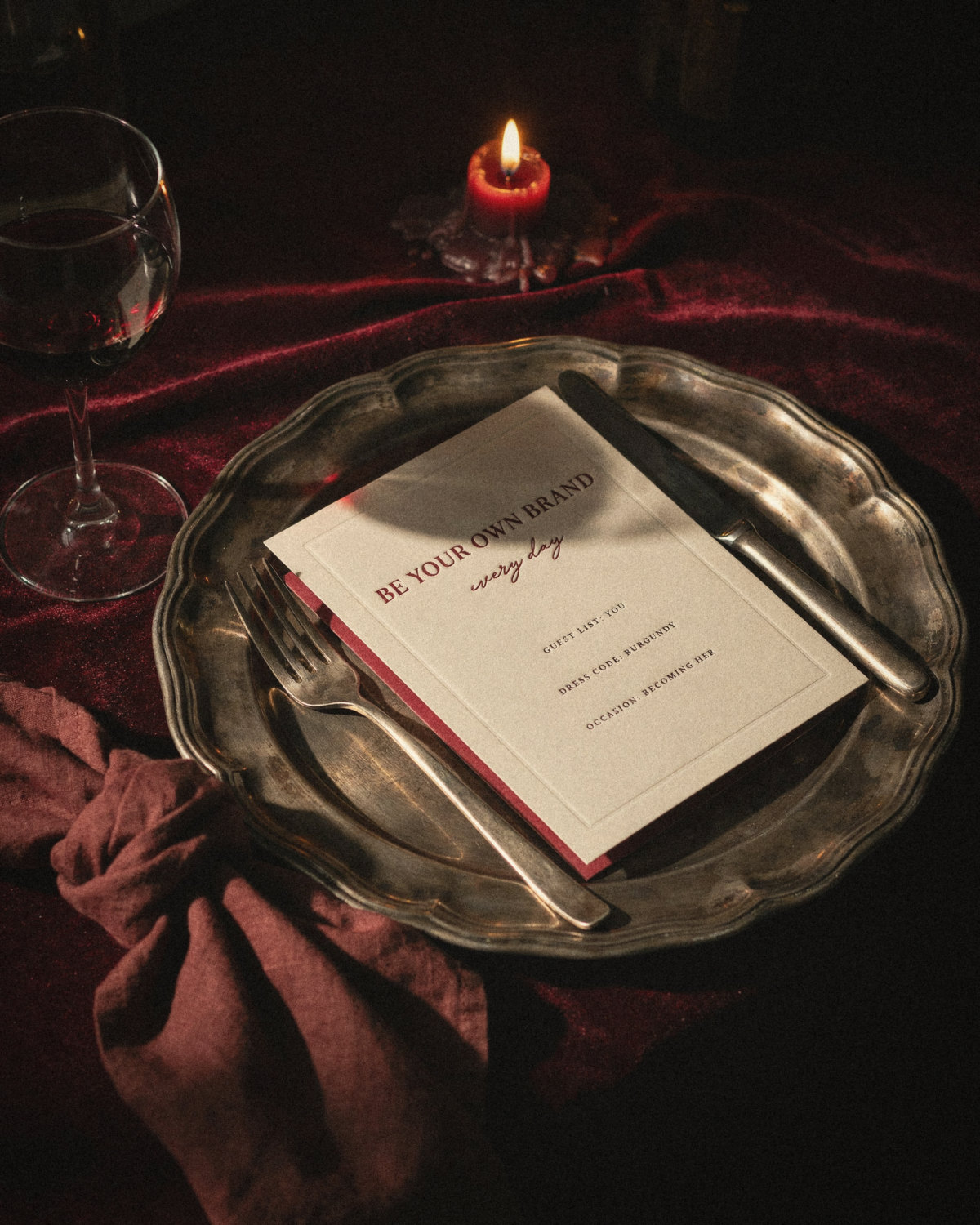
Collect, do not copy.
Inspiration is raw material. Your answers are the filter.
Where can you find personal branding inspiration without copying?
The best personal branding inspiration comes from places you can filter through your own taste, not from one creator you try to recreate. If you feel stuck, inspiration helps you get unstuck, as long as you collect instead of copy. Flip the four cards below for how to use each source.
Tap or click a card to flip it
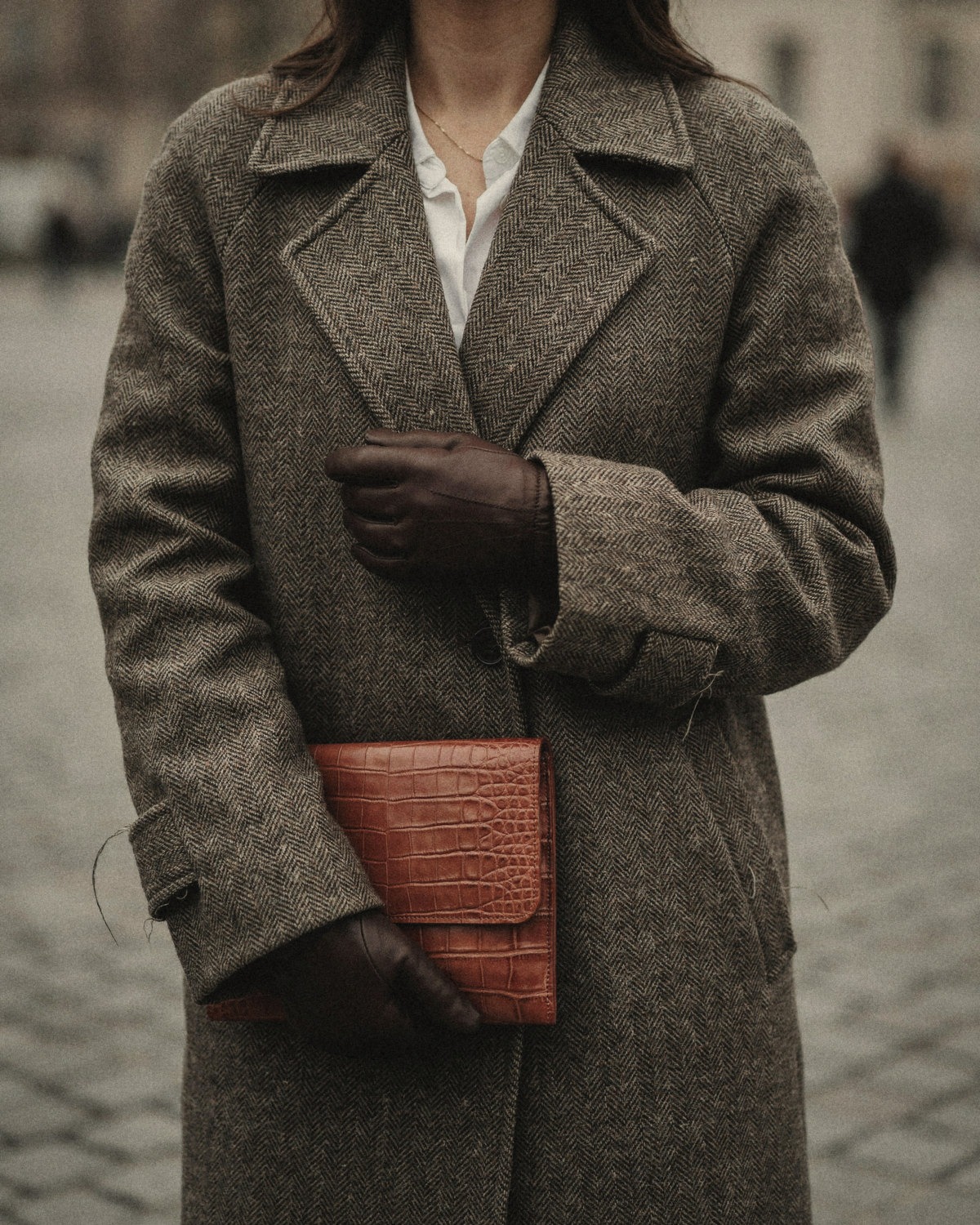
Repetition, not one perfect launch.
Small signatures, repeated, become a brand people recognize.
Which self branding habits keep a personal brand consistent?
A personal brand stays consistent through small weekly habits, not through a big rebrand you do once. These habits help it grow without burning you out. Tick off the ones you already do.
Your self branding checklist
Seven habits. Your progress is saved only in this browser.
Start with the one that feels easiest.
How long does it take to build a personal brand?
Most women start to feel recognizable after several months of consistent posting and living their brand offline. There is no fixed timeline, but there is a clear order. Click through the four stages.
From idea to “that’s so you”
Each stage builds on the one before it.
The truth about building a personal brand without feeling fake
The fake feeling fades the moment you stop trying to look like someone else and start showing more of yourself. Define who you are. Choose topics you actually love. Build a visual language you would wear in real life. Then repeat it until people start telling you what your color is.
You do not need to become a different woman to build a personal brand. You just need to become more clearly yourself, in public.
Personal brand FAQ
What is a personal brand?
A personal brand is the impression people form about you from what you share, how you look, what you talk about and how you make others feel. Everyone already has one. Building it intentionally means choosing that impression instead of leaving it to chance.
How do you define your unique personal brand identity?
Start with three to five words that describe who you are or who you are becoming. Then decide on one core message, why your perspective matters and which format feels natural. The final filter is authenticity: keep only what genuinely excites you.
How do you build a personal brand without feeling fake?
Build it around real interests and a style you would actually wear offline. Avoid topics or aesthetics you only adopt because they trend. The closer your online self matches your daily life, the less fake your personal brand feels.
What is the difference between personal branding and self branding?
The terms are often used as synonyms. Personal branding usually describes the overall image people have of you, while self branding describes the active work of shaping it yourself through your topics, visuals and voice.
What is lifestyle branding?
Lifestyle branding turns the details of your everyday life, such as your colors, objects, rituals and style, into a recognizable part of your personal brand. It works through repetition, so people start connecting those details with you.
How long does it take to build a personal brand?
There is no fixed timeline, but most people start to feel recognizable after several months of consistent posting and living their brand offline. A clear sign of progress is when others connect a color, topic or style with you without being asked.
Keep going
This season Fall Main Character Energy: Your Guide to Becoming Her → Mindset What If You Stopped Making Yourself Smaller? →Follow along
More personal branding inspiration on Pinterest
Moodboards, signature colors and the small details that make a feed look like you, saved in one place.
Questions about your personal brand? Write to me at info@opulentfemme.com