
Have you ever looked at someone and wondered if their skin was literally made of glass?
That luminous, almost wet-looking glow that reflects light and makes everything else fade into the background.
Glass skin is more than a trend. It is a result that comes from understanding what your skin actually needs and building a routine around it. Korean skincare cracked the code on this years before the rest of the world caught up.
And now, the techniques, the ingredients, and the exact steps that South Korean women have been following for decades are finally mainstream. The question is: are you actually doing it right?
What Glass Skin Actually Is (And Why Most Routines Miss the Point)
10-Step Glass Skin Korean Skincare Routine infographic with morning and evening steps
Consistency matters more than the number of steps. Start with 4 and build from there.
Glass skin means your barrier is intact, your skin is properly hydrated at every layer, and your texture is refined enough that light bounces off it evenly.
The biggest misconception? That glass skin is only possible if you have naturally good skin. That is wrong. Oily skin, dry skin, combination skin-all of it can achieve this look with the right approach.
Why Korean Skincare Gets Results the Rest of the World Does Not
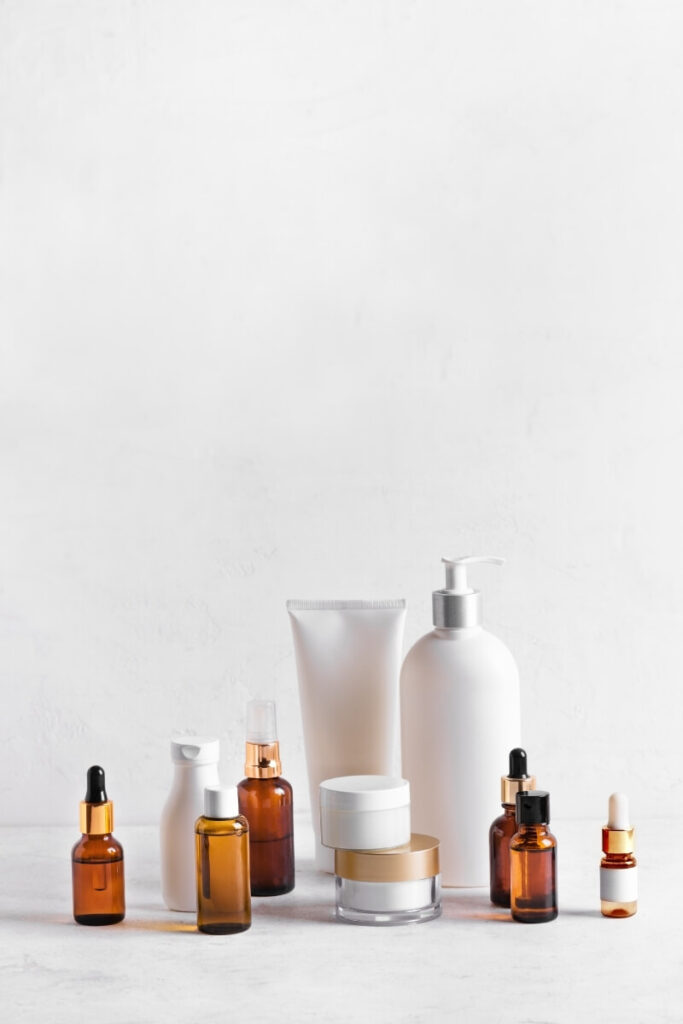
Where Western routines often focus on treating visible problems like acne, wrinkles, pigmentation,korean skincare focuses on creating an environment where those problems do not develop in the first place.
That means prioritizing skin barrier health, deep hydration, and gentle ingredients over harsh actives.
In the multi-step approach that korean skincare is famous for, each step serves a specific function. And when they work together, the cumulative effect is exactly what you see on those smooth, glowing faces.
The Step-by-Step Korean Skincare Routine for Glass Skin
Glass Skin Ingredients Glossary showing 5 key Korean skincare ingredients and their benefits
None of these require a large budget. Consistency with the right ingredients
outperforms expensive routines applied inconsistently.
This is the glass skin routine broken down into morning and evening, with the steps that matter most highlighted.
Step 1: Oil Cleanser (Evening Only)
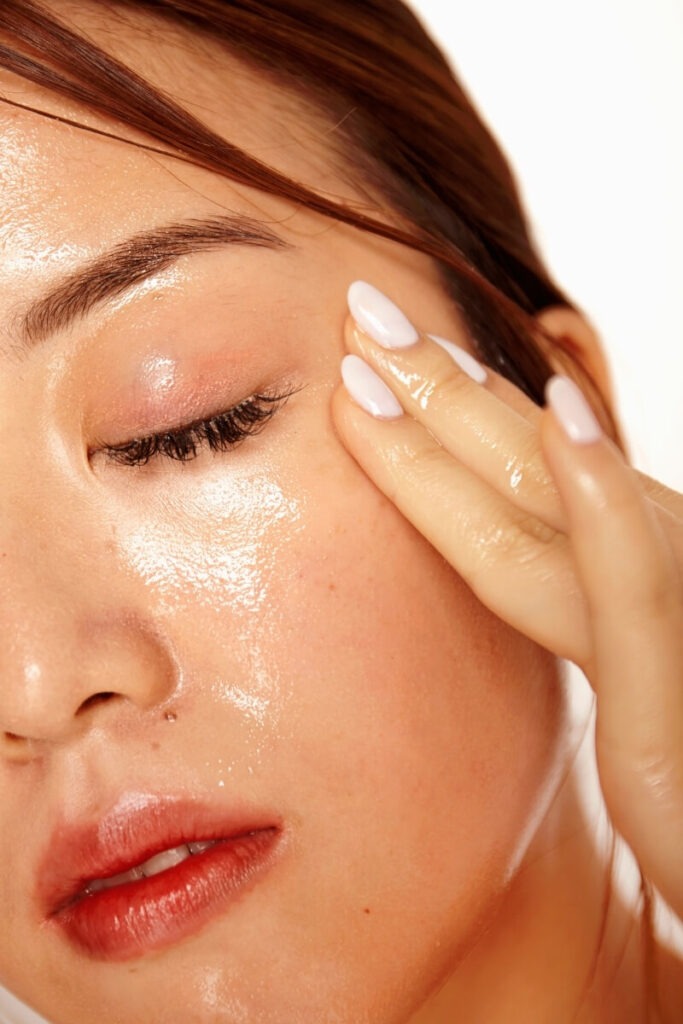
Start with an oil-based cleanser to dissolve sunscreen, makeup, and excess sebum. This is the first step of double cleansing and it is non-negotiable in korean skincare. Massage it in gently for 60 seconds, then emulsify with water and rinse.
If you skip this and go straight to a foam cleanser, you are layering all your skin care on top of residue.
Step 2: Water-Based Cleanser
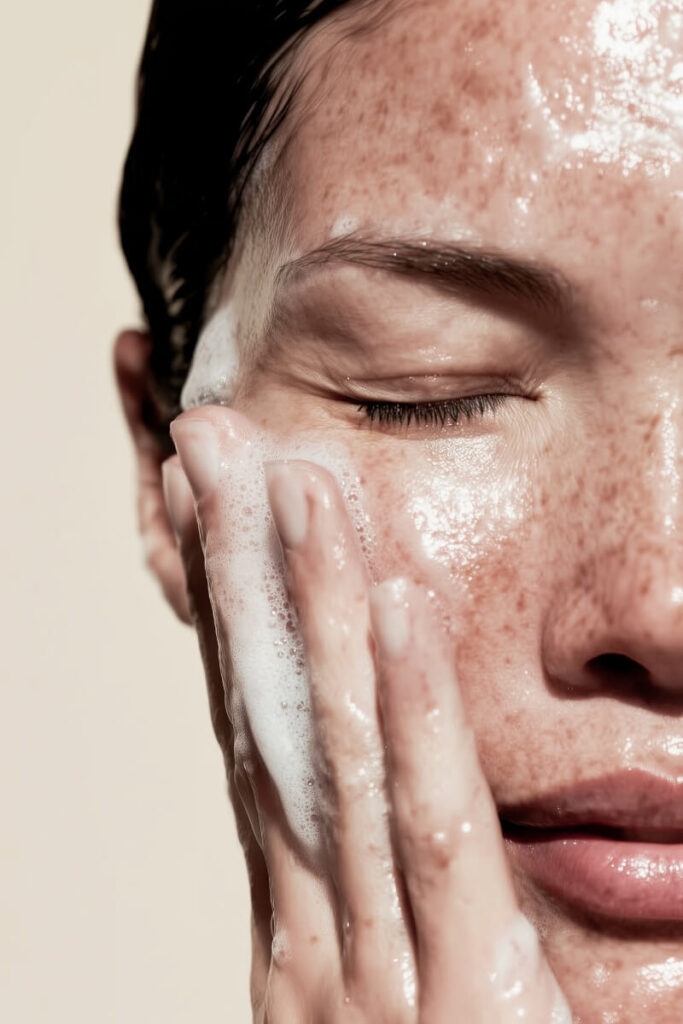
Follow with a gentle, low-pH water-based cleanser to remove any remaining impurities without stripping your skin. The goal is a clean slate, not squeaky-tight skin. If your skin feels tight after cleansing, your cleanser is too harsh and it is damaging your barrier.
Step 3: Exfoliate (2-3 Times Per Week)
Do not exfoliate daily. That is one of the fastest ways to destroy the skin barrier that glass skin depends on. Use a gentle chemical exfoliant: AHA for texture and brightness, BHA for pores and oiliness a few times per week.
Step 4: Toner
In korean skincare, toner is not a stripping astringent. It is a hydration primer. Apply a watery, hydrating toner by pressing it into your skin with your palms. This step preps every layer that comes after it.
Step 5: Essence
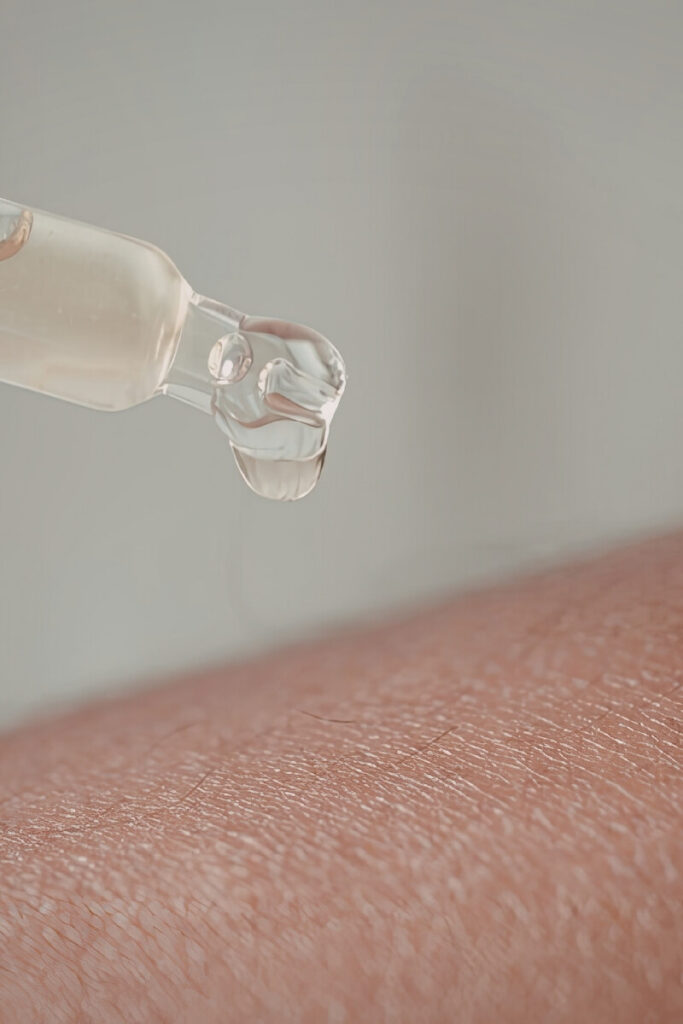
An essence is a lightweight, concentrated step that floods your skin with active hydration. Many essences in korean skincare contain fermented ingredients, niacinamide, or snail mucin,each of which dramatically improves the look and resilience of the skin over time.
Snail mucin deserves its own mention here. It is one of the most researched ingredients in Korean beauty and one of the most genuinely effective. It contains glycoproteins, hyaluronic acid, and glycolic acid,making it simultaneously hydrating, brightening, and repairing.
Step 6: Serum
Layer a targeted serum based on your skin concern. For glass skin specifically, focus on hydration and glow. Look for serums with hyaluronic acid, vitamin C, niacinamide, or PDRN. Apply in thin layers and let each layer absorb before adding the next.
Step 7: Sheet Mask (2-3 Times Per Week)
This is another step that sets korean skincare apart. Regular sheet masking delivers concentrated actives while physically holding them against your skin for 15-20 minutes.
The results after consistent use are visible within weeks. Pat the remaining essence from the mask into your skin rather than rinsing it off.
Step 8: Eye Cream
The skin around the eye area is thinner and more delicate than the rest of the face. Apply eye cream by gently tapping (never rubbing) along the orbital bone.
Step 9: Moisturizer
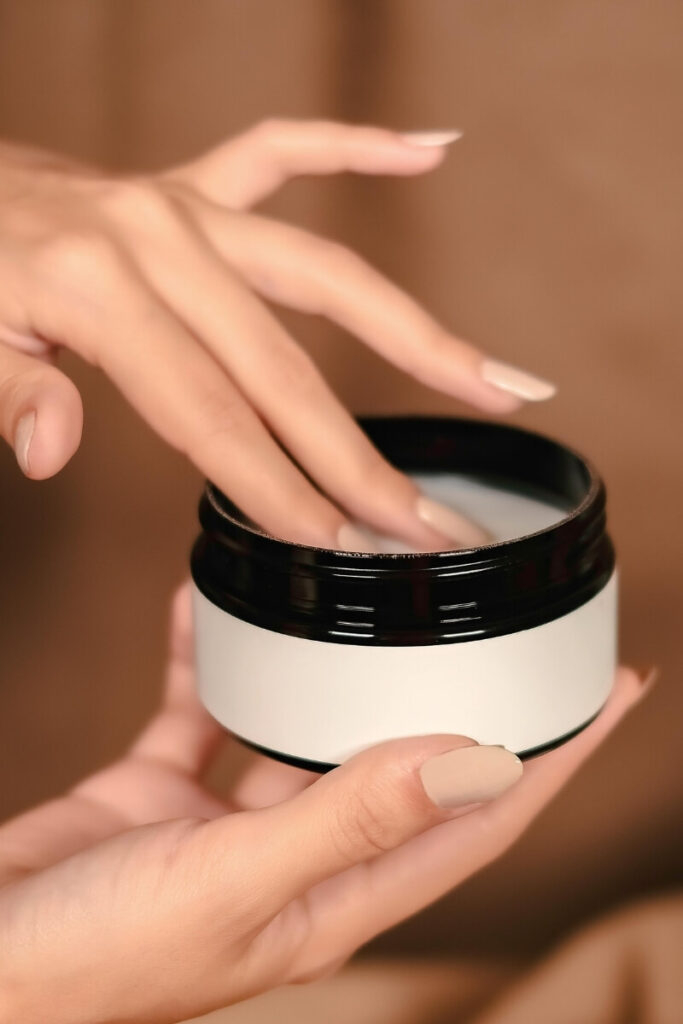
Seal everything in with a moisturizer that matches your skin type. For glass skin, you want something that provides a smooth, slightly dewy finish without heaviness. Gel moisturizers work well for oily skin. Richer creams work better for dry skin.
Oily skin does not need a heavy occlusive, it needs proper hydration to stop overproducing sebum.
Step 10: SPF (Morning Only)
Non-negotiable. SPF is the single most important product for long-term glass skin. UV exposure breaks down collagen, causes pigmentation, and degrades the very luminosity you are working to build.
Use a broad-spectrum SPF 50 every morning, even on cloudy days and indoors.
The Glass Skin Oily Skin Difference: What to Know
Dull skin versus glass skin comparison infographic with characteristics and a 6-week results timeline
Glass skin is not a filter or a product.
It is what happens when your skin is consistently well cared for.
A common hesitation for oily skin types is that more hydration means more shine. That is actually backwards. Oily skin often overproduces sebum precisely because it is dehydrated.
The skin compensates for the lack of water by producing more oil. When you properly hydrate oily skin with lightweight, water-based products, it often becomes more balanced over time.
The key is product texture. Oily skin does well with gel cleansers, lightweight watery essences, and gel or fluid moisturizers. Skip the thick creams and heavy oils.
Focus on hydration layering rather than occlusion, and let your moisturizer do the sealing rather than adding extra oil-based steps.
Glass skin is absolutely achievable for oily skin too, it just takes a slightly different product approach.
How Long Does It Actually Take?
For those wondering how to get glass skin in 3 days: you can genuinely improve your skin’s hydration and glow within days, but true glass skin is a weeks-long process.
In 3 days, you can reduce dullness and add visible luminosity but that alone will shift how your skin looks. For the real, full glass skin effect-the smoothness, the translucency, the light reflection
give it 4 to 6 weeks of consistent skin care.
Once you understand the logic behind korean skincare, the steps stop feeling like a chore and start feeling like the most effective investment you can make in how you look and feel every single day.
Want more no-BS skincare tips that actually move the needle? Subscribe to the newsletter and let’s get that glow.
info@opulentfemme.com
Frequently Asked Questions
- How to get glass skin?
Glass skin is achieved through consistent deep hydration, a healthy skin barrier, and a multi-step korean skincare routine. The key steps are double cleansing, layering hydrating toner and essence, using actives like snail mucin and hyaluronic acid, and applying SPF every morning. Results are visible within weeks of consistent skin care. - What is the difference between slass skin and oily skin?
The approach to glass skin for oily skin differs mainly in product texture, not overall method. Oily skin types should use gel-based moisturizers and lightweight water-based essences rather than heavy creams, and focus on BHA exfoliants to keep pores clear. Oily skin often responds very well to proper hydration -- it overproduces oil because it is dehydrated, not because it needs less moisture. - How did glass skin and snail mucin contribute to South Korea’s rise as a global beauty power?
Snail mucin became one of the defining ingredients in Korean beauty's global rise because it delivers multiple skin benefits in one formula -- hydration, repair, and brightening. South Korea's journey to global beauty power was built on ingredient innovation like this and a cultural commitment to long-term skin health. Snail mucin is now one of the most recognizable symbols of that movement worldwide, and one of the most effective additions to any glass skin routine. - How to get glass skin in 3 days?
In 3 days, you can visibly improve your glow and hydration by introducing double cleansing, a hydrating essence, a sheet mask, and daily SPF. This will reduce dullness and give your skin a smoother, dewier appearance quickly. For full glass skin results - true translucency and light reflection - 4 to 6 weeks of consistent skin care is a realistic timeline.
Quick Summary
Glass skin is a Korean beauty ideal achieved through consistent deep hydration and a structured skin care routine that prioritizes barrier health over quick fixes. This guide covers the full step-by-step korean skincare routine for glass skin, including key ingredients like snail mucin and hyaluronic acid that power South Korea's journey to global beauty power. It explains the glass skin oily skin difference, answers how to get glass skin at every skin type, and gives a realistic timeline for how to get glass skin in 3 days versus long-term results.