
Is your skin care routine actually doing anything, or are you just layering products and hoping for the best?
If you have ever put on a full face of makeup and still looked dry, patchy, or cakey by noon, I need you to hear this: your foundation is not the problem. Your skin is. And your skin care routine, or the lack of a proper one, is exactly what we need to talk about.
Your outfit can be a ten, your hair can be slaying, but if your skin looks rough, everything else takes a backseat. Skin is the first thing people notice. It is your base. And the good news? You do not need a ten-step routine, a dermatologist on speed dial, or a budget that belongs to someone else to fix it.
There is a loud, expensive myth that great skin only comes from luxury treatments or a bathroom counter that looks like a Sephora stockroom. That is simply not true. Yes, there are people who swear by their monthly facials and $300 serums. And some of them have gorgeous skin. But the ones with truly consistent, long-term results? They started with the basics and stuck to them. Consistency beats complexity every single time.
So let’s get into it. Here is everything you need to know about skin care order, what products actually matter, and how to build a routine that works for real life.
Know Your Skin Type First (This Is the Game Changer)
Before you buy a single product, you need to understand your skin. This step is non-negotiable. Using the wrong products for your skin type is like wearing the wrong shoe size and wondering why your feet hurt.
According to the American Academy of Dermatology, there are five basic skin types: normal, oily, dry, combination, and sensitive. Here is a quick breakdown:
- Normal skin: Balanced, not too oily or dry. Lucky you.
- Oily skin: Excess sebum, shiny appearance, larger pores.
- Dry skin: Lacks moisture, feels tight or flaky, especially after cleansing.
- Combination skin: Oily in the T-zone (forehead, nose, chin) and dry in others.
- Sensitive skin: Easily irritated, prone to redness and reactions.
How to Identify Your Skin Type at Home
You do not need to visit a dermatologist for this. The bare face test is your best friend. Wash your face with a gentle cleanser, pat dry, skip all products, and wait thirty to sixty minutes. Then just look:
- Shiny all over? Oily skin.
- Tight, rough, or flaky? Dry skin.
- Shiny T-zone only? Combination skin.
- Comfortable and balanced? Normal skin.
- Red, itchy, or irritated? Sensitive skin.
You can also use blotting paper on different areas of your face. Lots of oil everywhere means oily skin, oil only in the T-zone means combination, and little to no oil means dry or normal. Simple, free, and done in five minutes.
Your skin type is what decides your products. For example, niacinamide is a must-have if you have oily skin, but completely unnecessary if your skin is normal. Knowing this saves you money and shelf space.
The Core Skin Care Routine (Start Here, Always)
Let this sink in: you do not need ten steps. You need three. Cleansing, moisturizing, and sun protection. That is the foundation. Everything else is optional and can be added over time as you learn what your skin responds to. Here is the correct skin care order explained simply.
Step 1: Cleanser (Your Non-Negotiable)
Cleansing is the very first skin care step, and it is the most important. It removes dirt, pollution, makeup, and excess oil that sit on your skin throughout the day. Massage your cleanser all over your face for at least thirty seconds, gently, and rinse thoroughly. If you wear sunscreen or makeup, double cleansing at night is a game changer. That means starting with an oil-based cleanser to break down everything on the surface, then following with a foaming cleanser to actually clean the skin.
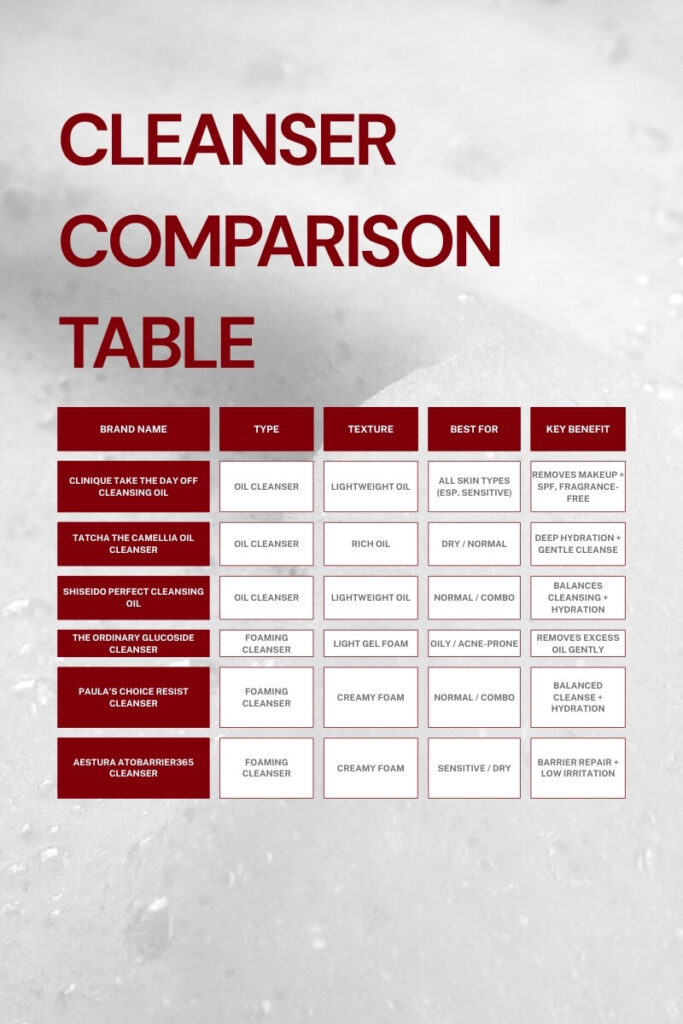
Oil cleansers worth knowing:
- Shiseido Perfect Cleansing Oil: Lightweight and hydrating with grape seed oil and squalane. Great for normal, combination, and slightly dry skin. Rinses clean without leaving a greasy residue.
- Tatcha The Camellia Oil Cleanser: Rich and nourishing, designed for dry, dehydrated, or mature skin that needs extra comfort.
- Clinique Take The Day Off Cleansing Oil: Fragrance-free and gentle, the best option for sensitive or acne-prone skin.
Foaming cleansers to match your skin type:
- Aestura ATOBARRIER365: A low pH, barrier-repair cleanser for sensitive and dry skin.
- The Ordinary Glucoside Foaming Cleanser: Designed for oily and acne-prone skin, removes excess oil without harsh stripping.
- Paula’s Choice RESIST Perfectly Balanced Foaming Cleanser: Contains hyaluronic acid and suits combination and normal skin types perfectly.
Step 2: Moisturizer (Yes, Even if You Have Oily Skin)
Can we put this myth to rest right now? You do not skip moisturizer if you have oily skin. When you strip or dry out oily skin on purpose, your skin panics and produces even more oil to compensate. That is the opposite of what you want. Every skin type needs hydration. The secret is choosing the right formula for you.
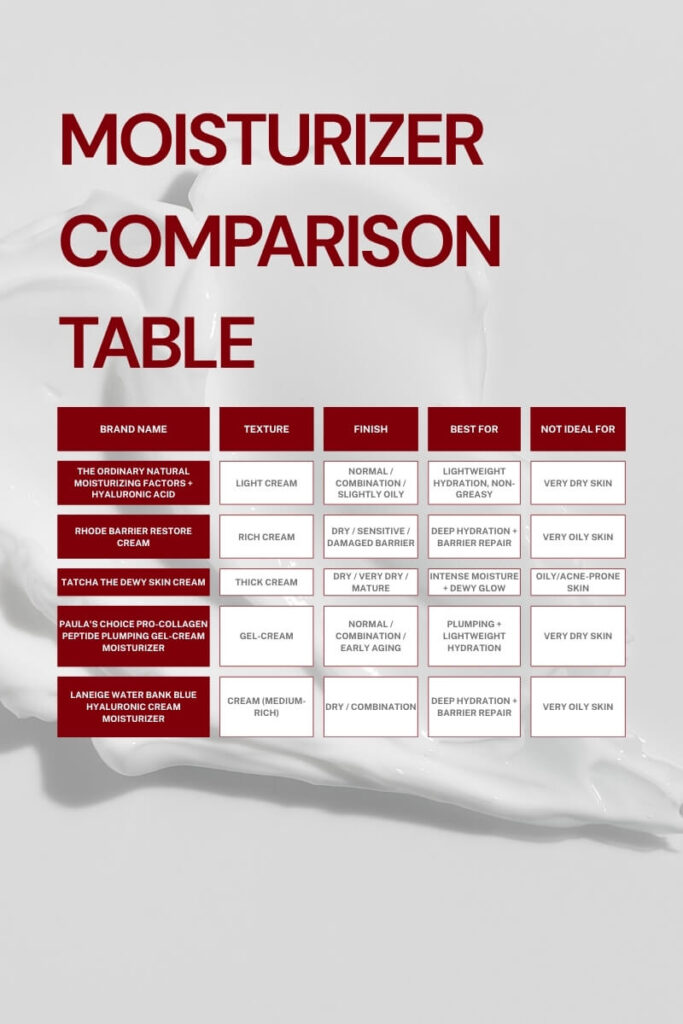
- Creams: Thick and rich, best for dry, dehydrated, and mature skin.
- Lotions: Lightweight and milky, great for normal and combination skin.
- Gels: Water-based and non-greasy, perfect for oily and acne-prone skin.
Product picks by skin type:
- The Ordinary Natural Moisturizing Factors + HA: Oil-free and lightweight, ideal for normal and slightly oily skin.
- Rhode Barrier Restore Cream: Packed with shea butter, squalane, and peptides. Perfect for dry and sensitive skin that needs serious repair.
- Tatcha The Dewy Skin Cream: A rich, plumping cream for very dry, dehydrated, or mature skin that wants a serious glow.
Step 3: Sunscreen (The One Product That Does Everything)
We are in 2026. There is zero excuse to skip SPF. Sunscreen is the single most effective anti-aging product you can use, and it protects you from skin cancer. Clouds do not block UV rays. Windows do not block UV rays. Sunscreen every single morning, rain or shine, is the rule.
SPF 30 filters about 97% of UVB rays, SPF 50 gets you to about 98%. For everyday life, SPF 50 is the sweet spot. If you are spending time outdoors, reapply every two hours.
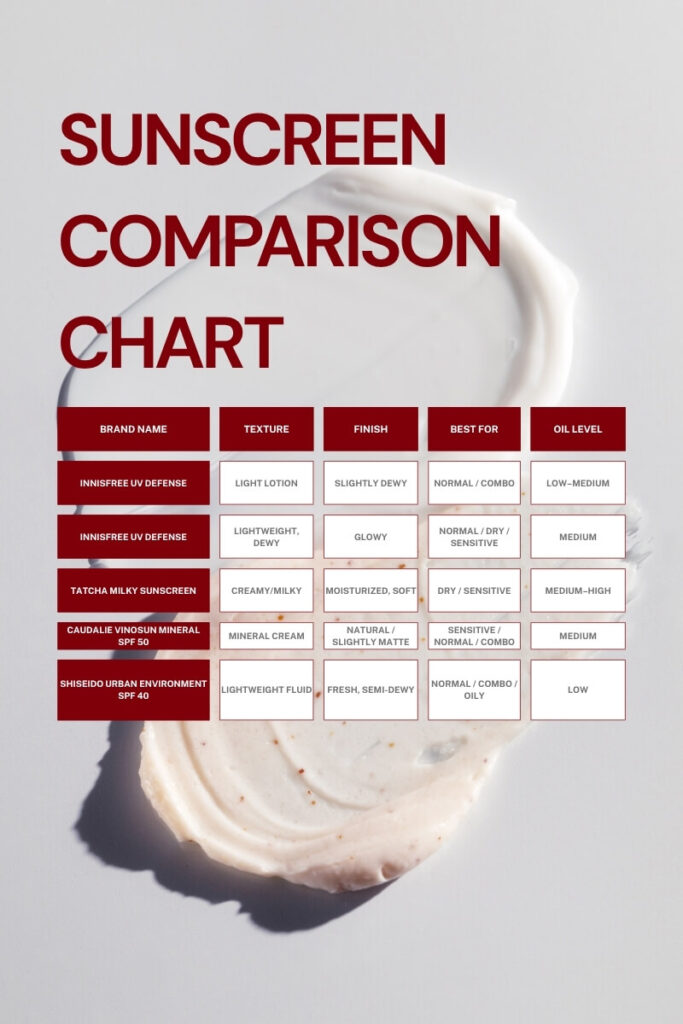
- Innisfree Daily UV Defense SPF 50+: Lightweight with botanical extracts, great for normal and combination skin.
- Beauty of Joseon Day Dew Sunscreen SPF 50: Contains hyaluronic acid and niacinamide, works beautifully for dry and sensitive skin.
- Tatcha The Milky Sunscreen SPF 50+: Creamy and nourishing with ectoin and vitamin E, ideal for dry and mature skin
Optional Add-Ons That Are Actually Worth It
Once your base skin care routine is solid and consistent for at least four to six weeks, you can start layering in extras. These are the products that take your skin from good to great.
Toners
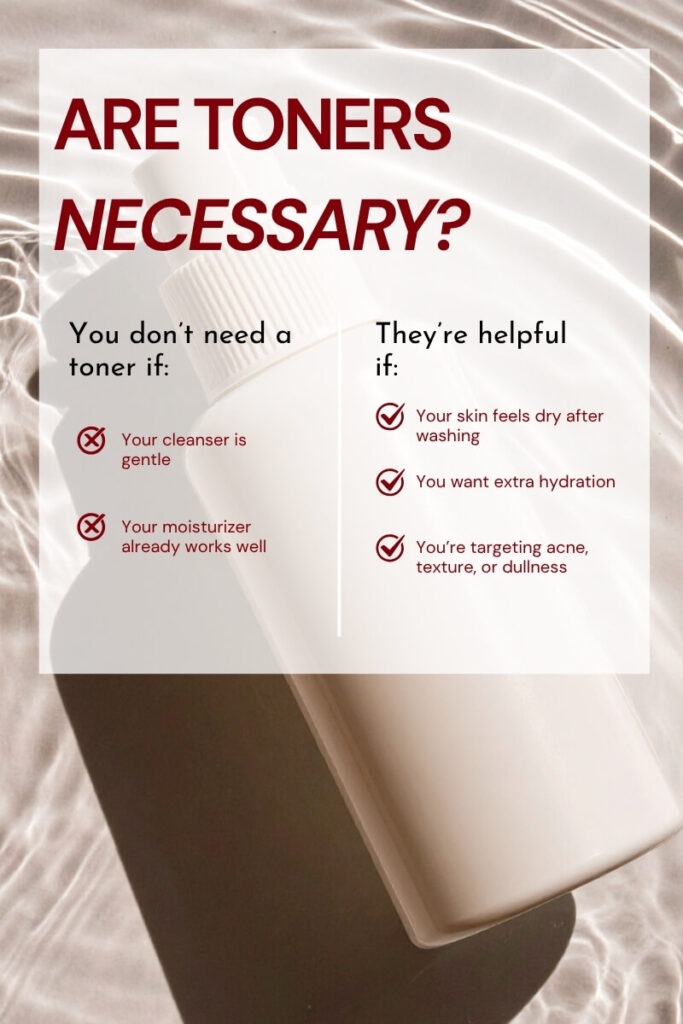
Toners prep your skin to absorb the products that come after. Damp skin absorbs skincare more effectively, so toning is essentially boosting everything you apply on top. Pick one based on what your skin needs.
- Hydrating toner: LANEIGE Cream Skin Milky Toner with ceramides and peptides, perfect for dry skin.
- Exfoliating toner: Paula’s Choice 2% BHA Toner for acne-prone and congested skin.
- Soothing toner: Torriden BALANCEFUL Cica Complex Toner for red or reactive skin.
- Oil-control toner: Innisfree Green Tea Ceramide Milk Toner to balance and hydrate oily skin.
Serums (For Targeted Treatment)
Serums are concentrated treatments that go deeper into your skin than a moisturizer can. You use them after toner and before moisturizer. Pick one that addresses your main skin concern, not five at once.
- Vitamin C: The Ordinary Multi-Antioxidant Radiance Serum for brightening and evening skin tone.
- Hyaluronic Acid: The Ordinary HA 2% + B5 Hydrating Serum with ceramides for deep hydration.
- Niacinamide: The Ordinary Niacinamide 10% + Zinc 1% for oil control and minimizing pore appearance.
- Retinol: Paula’s Choice CLINICAL 1% Retinol Treatment for anti-aging and stubborn acne.
Exfoliation (Once or Twice a Week Is Enough)
Skip the physical scrubs. The tiny particles in physical exfoliants can cause micro-tears in your skin barrier, which leads to more sensitivity and irritation over time. Instead, go with chemical exfoliants. They use active ingredients to dissolve dead skin cells without any harsh rubbing.
- AHAs (glycolic/mandelic acid): Surface exfoliation and brightening. Paula’s Choice 6% Mandelic + 2% Lactic Acid Exfoliant is a standout option.
- BHAs (salicylic acid): Penetrates pores and tackles acne. Paula’s Choice 2% BHA Exfoliating Toner is the cult classic.
- PHAs: The Ordinary PHA Toner is the gentlest option, ideal for sensitive or beginner skin.
Face Masks (A Weekly Treat)
- Hydrating masks: Biodance Bio Collagen Real Deep Mask for pore minimizing and firming. This is a weekly ritual for plump, glowy skin.
- Clay masks: Innisfree Super Volcanic Pore Detoxing Clay Mask with AHAs for absorbing excess oil and clearing congestion.
How to Build a Simple Skin Care Routine That You Will Actually Stick To
The best skin care routine is one you actually do every day. Here is a beginner-friendly framework to get you started.
Morning routine:
- Foaming cleanser
- Toner (optional)
- Moisturizer
- SPF 50
Night routine:
- Oil cleanser (to remove SPF and makeup)
- Foaming cleanser
- Toner
- Hyaluronic acid serum or targeted treatment
- Moisturizer
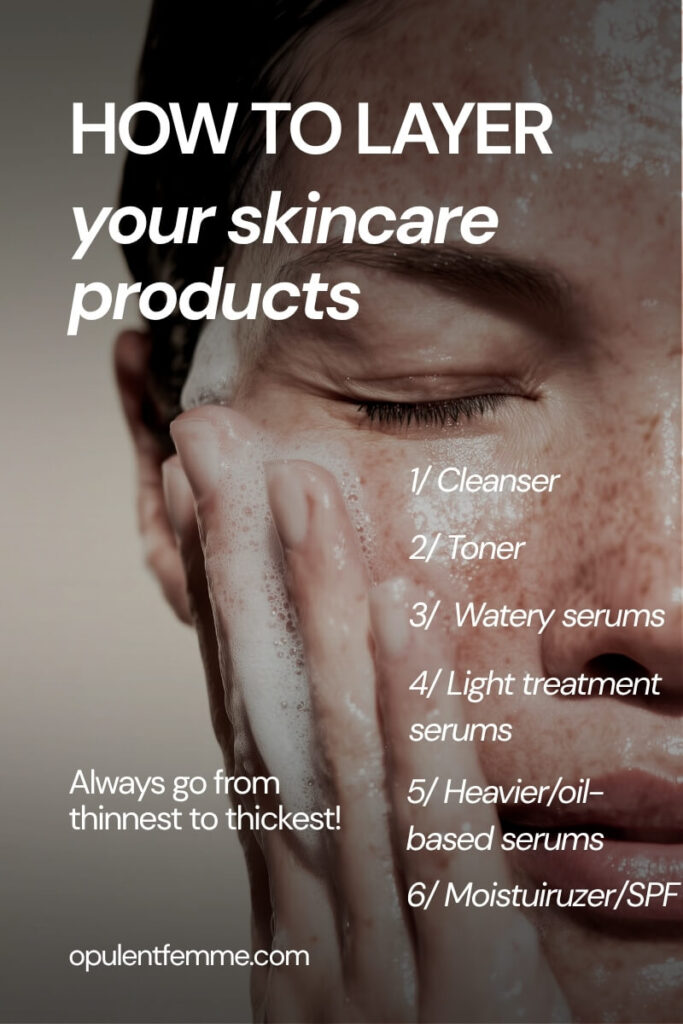
For a weekly schedule, rotate between retinol nights (Tuesday and Friday), exfoliating plus a hydrating sheet mask (Wednesday and Sunday), and your regular routine on the other days. This is enough. This works.
My Personal Skin Care Routine: PDRN and Reedle Shot Changed Everything
I want to be real with you here. I recently started using PDRN cream and the VT Cosmetics Reedle Shot, and the difference in my skin has been genuinely surprising, even just a few weeks in.
PDRN stands for Polydeoxyribonucleotide, a skin-repair ingredient derived from DNA fragments (most commonly from salmon). It sounds intense but the results speak for themselves. PDRN helps repair damaged skin, supports tissue regeneration, stimulates collagen production, improves firmness and elasticity, and strengthens the skin barrier. It is especially powerful for sensitive, dry, or post-treatment skin.
The Reedle Shot is a Korean beauty product that uses micro-spicules to create tiny pathways in your skin. Think of it as a gentler, at-home version of micro-needling. These micro-channels allow active ingredients to penetrate much deeper than they normally would, which means everything you apply after works harder. It can improve glow, elasticity, and collagen over time, and it comes in different strengths. I started with Reedle Shot 100 since I am new to it, and I am already noticing my skin feels more hydrated and plump day by day.
Here is what my current weekly routine looks like:
- Monday: Cleansing, Reedle Shot 100, toner, PDRN cream.
- Tuesday: Cleansing, Reedle Shot 100, toner, retinol, moisturizer.
- Wednesday: Cleansing, exfoliating, sheet mask, PDRN cream.
- Thursday: Cleansing, Reedle Shot 300, toner, PDRN serum.
- Friday: Cleansing, Reedle Shot 100, toner, retinol, moisturizer.
- Saturday: Cleansing, Reedle Shot 100, toner, PDRN cream.
- Sunday: Cleansing, exfoliating, sheet mask, PDRN cream.
Is this more involved than a beginner routine? Yes. But I built up to this slowly. I did not start here. Start simple, learn your skin, then layer in extras that make sense.
Lifestyle Factors That No Skin Care Product Can Replace
About fifty percent of your skin’s appearance comes from your daily habits, not your skincare shelf. Products matter, but they only do so much when the fundamentals are off.
Sleep is where your skin does its most important work. Cell turnover, collagen production, and barrier repair all happen while you rest, which means consistently getting less than seven hours will show up on your face whether you like it or not. Hydration works the same way. Drinking enough water throughout the day supports skin elasticity and keeps dullness at bay in a way that no topical product can fully replicate.
What you eat plays a bigger role than most people want to admit. Diets high in sugar and processed foods are directly linked to inflammation, which translates to breakouts, uneven texture, and accelerated aging over time. And then there is stress, which is perhaps the most underestimated skincare saboteur of all. Elevated cortisol levels can trigger acne, sensitivity, and a dullness that no serum can fix. Managing your stress is not a wellness cliché. It is genuinely one of the most effective things you can do for your skin.
The Bottom Line
Your skin care routine does not need to be expensive, complicated, or overwhelming. It needs to be consistent. Know your skin type, choose products that suit it, follow the right skin care order, and show up for your skin every day. That is the real glow up formula.
Skincare is not about chasing overnight miracles. It is a long-term investment in yourself. And the best part? It does not have to cost a fortune to work.
You might also love:
Hair Care Basics: How to Get Silky Hair at Home
How to Build the Perfect Body Care Routine
Get in Touch
Have questions or want personalized skincare advice? Reach out to us at info@opulentfemme.com
Frequently Asked Questions
- What is the correct order for a skin care routine?
Morning: cleanser, toner (optional), serum (optional), moisturizer, SPF. Night: oil cleanser, foaming cleanser, toner, serum or treatment, moisturizer. Apply thinnest to thickest consistency as a general rule. - What are the basic skin care steps?
Three steps to start: cleanse, moisturize, and apply SPF. That is genuinely all you need. Everything else is a bonus. - Do I need all these skincare products?
No. Start with a cleanser, moisturizer, and SPF. Add products one at a time, give each one at least four weeks, and pay attention to how your skin reacts. Less is almost always more. - How do I know my skin type?
Do the bare face test. Cleanse, wait sixty minutes without applying anything, and observe. Shiny skin is oily, tight or flaky is dry, shiny only in the T-zone is combination, and comfortable skin is normal. - How often should I reapply sunscreen?
Every two hours when you are outdoors or exposed to sunlight. If you are mostly indoors, once in the morning is generally fine, but reapply if you are near windows for extended periods or stepping outside. - Is double cleansing necessary?
If you wear sunscreen or makeup, yes. A single foaming cleanser is often not strong enough to fully remove these, which can lead to clogged pores over time. Double cleansing at night is one of the simplest upgrades you can make.


Pingback: The Real Guide to the Best Korean Skincare Products for Sensitive Skin - Opulent Femme
Pingback: The 7-Step Simple Nighttime Routine High-Value Women Swear By - Opulent Femme